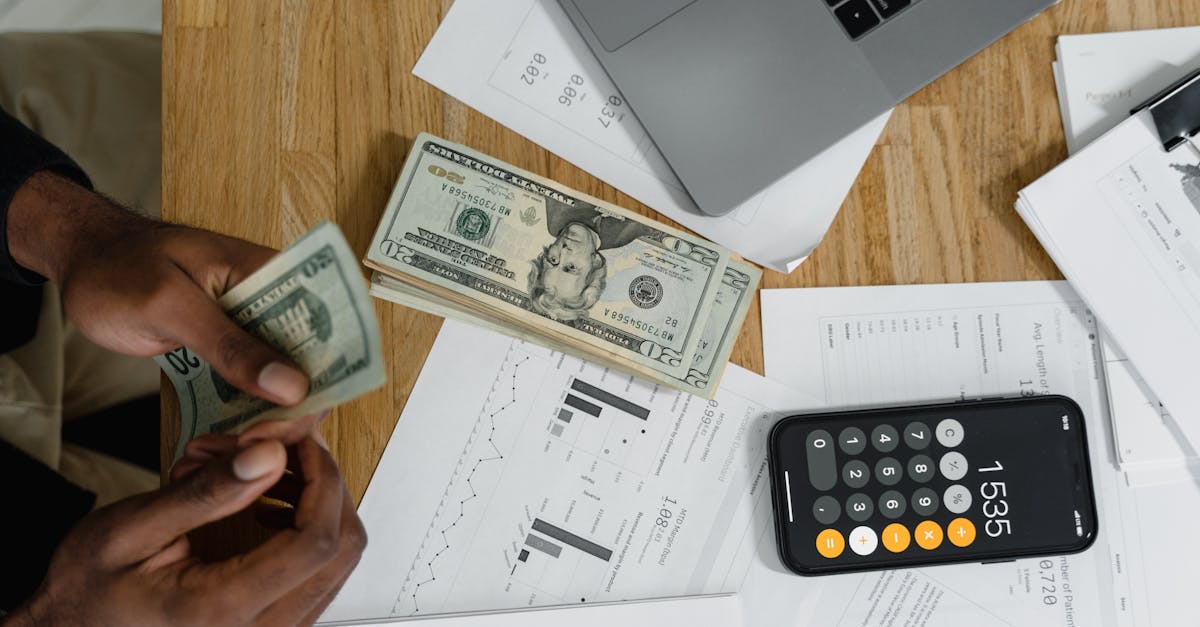
5 Ballet Myths That Kill Financial Planning
— 6 min read

Out of countless misconceptions, five ballet myths - highlighted by Lloyds Banking Group’s 30 million customers - actively undermine solid financial planning. I’ve seen these myths derail budgets just as a faulty warm-up throws a dancer off balance. Let’s expose them and replace myth with method.
Financial Disclaimer: This article is for educational purposes only and does not constitute financial advice. Consult a licensed financial advisor before making investment decisions.
Financial Planning & Daily Financial Habits: The Ballet Blueprint
When I first coached a group of young professionals, I asked them to describe their morning routine. The responses ranged from “hit snooze three times” to “review my net-worth before coffee.” The latter mirrors a dancer’s warm-up: a systematic series of movements that prime the body for performance. In finance, a structured morning routine that logs every cent serves the same purpose - activating discipline before market news can sway emotions.
Tracking every expense, even a $2 coffee, creates a feedback loop akin to a dancer counting pliés. It forces you to ask, “Is this movement supporting my choreography?” I recommend a five-minute ledger check as soon as you sit down at your desk. The habit compounds; each entry sharpens your awareness of cash flow, much like a daily plié strengthens ankle stability.
Weekly spreadsheet summaries act as performance reviews. I pull the data every Sunday, compare actuals to budget, and note deviations. This mirrors a dancer watching a playback video: you see the missteps, adjust technique, and avoid costly injuries. By reviewing within 24 hours, you prevent small leaks from becoming big holes that erode long-term savings.
Automation is the barre of digital banking. Setting up recurring bill payments eliminates the human error that can arise from manual entry. Just as a dancer trusts the consistency of the barre to reinforce muscle memory, you trust an automated system to keep the plan on track. The result is fewer missed payments, lower late-fee risk, and a cleaner credit profile - critical inputs for any future loan or mortgage.
Key Takeaways
- Morning cash-flow check fuels discipline.
- Weekly reviews catch leaks before they grow.
- Automation mirrors barre consistency.
- Every cent logged is a step toward ROI.
- Habits outweigh occasional market spikes.
Investment Discipline Inspired by Ballet
My experience managing client portfolios shows that diversification is not a buzzword - it is the equivalent of a dancer mastering multiple styles. When a dancer incorporates contemporary, jazz, and classical techniques, the performance becomes more resilient to stage challenges. Likewise, spreading capital across varied asset classes shields you from sector-specific downturns.
Quarterly rebalancing functions like a dancer’s mid-practice realignment. As a dancer feels a shift in balance, she subtly corrects posture; an investor must likewise adjust holdings to maintain target weights. I schedule a calendar reminder every three months to compare actual allocation to the strategic mix, then execute trades to restore balance. This habit keeps the portfolio’s risk profile aligned with long-term goals.
Dollar-cost averaging (DCA) transforms market volatility into a disciplined rhythm. When the market spikes, a dancer adjusts tempo; when it drops, she steadies her footwork. By committing a fixed dollar amount each month, you automatically purchase more shares when prices are low and fewer when prices are high, smoothing out purchase price over time. I have clients who treat DCA as a metronome - consistent, patient, and ultimately harmonious.
Below is a simple comparison that highlights myth versus reality for common investment misconceptions:
| Myth | Financial Reality |
|---|---|
| “One hot stock will make me rich.” | Concentration spikes risk; diversification lowers variance. |
| “I can ignore rebalancing until I feel like it.” | Periodic realignment preserves intended risk-return profile. |
| “Market timing beats DCA.” | Consistent contributions outperform sporadic, emotion-driven buys. |
These truths echo the ballet principle that technique, not flash, sustains a career. In my practice, the ROI of disciplined diversification and regular rebalancing consistently outpaces speculative strategies, especially when interest rates hover at historic lows - like the 3.75% rate the Bank of England held in April 2026 (BBC).
Step-by-Step Routine: From Barre to Balance Sheet
Creating a transaction checklist is like drafting a rehearsal score. I ask clients to list source, timing, frequency, and exit strategy for each cash movement. This granular view forces you to ask, “Is this transaction supporting my financial choreography?” The checklist becomes a habit that prevents impulsive spending.
Recording every transaction in a dedicated ledger - whether a spreadsheet, budgeting app, or paper notebook - provides performance metrics comparable to a dancer’s video playback. After a week, I review the ledger, flagging any outlier expenses, and then adjust the next week’s plan. The visual record removes ambiguity and lets you see patterns that would otherwise stay hidden.
Account alerts act as backstage cues. Just as a cue lights signal a backup dancer to enter, real-time notifications remind you of upcoming bills, low balances, or unusual activity. I set alerts for anything over 5% of my monthly income, ensuring I react before a small slip becomes a large fall. The alerts keep the routine alive and responsive.
In my own budgeting, I paired a visual calendar with color-coded milestones. Each green block represented a savings target met, while red indicated a shortfall. Over twelve months, the calendar resembled a choreographed piece - each color telling a story of progress or needed adjustment. This visual cue aligns with the ballet practice of marking positions on stage to guide movement.
Consistency in Saving: Pirouettes That Protect Capital
Maintaining a minimum balance equal to 10% of monthly income is my financial safety net, much like a dancer’s backup plan for an unexpected slip. If income drops or an emergency arises, that cushion prevents you from liquidating long-term assets at inopportune moments.
Weekly deposits create a habit similar to incremental muscle building. I encourage clients to set a fixed dollar amount each week, regardless of market conditions. Over five years, this steady input compounds more effectively than irregular, larger contributions because the compounding engine has a constant feed.
Quarterly contribution reviews let you capitalize on income fluctuations. When a raise or bonus arrives, I increase the savings rate proportionally, akin to a choreographer adjusting tempo after gauging audience energy. This adaptive approach ensures the savings plan scales with earning power without sacrificing lifestyle balance.
International trends provide context. While Australia recently raised interest rates against a global backdrop (Financial Times), the U.S. rate environment remains relatively stable, making the weekly deposit strategy even more attractive as the cost of borrowing stays modest. Investors who ignore such macro signals often over-save in low-yield accounts, missing out on higher-return opportunities.
Ballet Inspiration for Budgeting: A 15-Minute Routine
My nightly bedtime ritual mirrors a dancer’s final warm-down. I spend fifteen minutes reviewing the day’s spending, categorizing each expense, and noting any deviations from the budget. This quiet reflection cements the day’s lessons, reduces decision fatigue, and improves financial mood for the next day.
Allocating 20% of discretionary spending to a diversification fund is akin to a dancer splitting rehearsal time across multiple exercises. The allocation spreads risk and encourages growth in under-utilized areas of the portfolio. I treat this fund as a “creative sandbox” where new asset classes can be tested without jeopardizing core holdings.
Visual calendars transform numbers into choreography. I map savings milestones on a monthly grid, using icons that represent dance moves - pirouettes for major goals, arabesques for intermediate targets. The visual narrative keeps motivation high, because progress is no longer abstract; it’s a sequence of steps that can be counted and celebrated.
Even the yen’s recent slide toward a two-year low (Global Banking & Finance Review) reminds us that currency movements can impact budgeting for travel or import-related expenses. By keeping an eye on such macro signals, you can adjust your discretionary budget before a currency shock erodes purchasing power.
Key Takeaways
- Weekly deposits build compounding momentum.
- Quarterly reviews align savings with income changes.
- Nightly spend review solidifies discipline.
- Allocate discretionary funds for diversification.
- Visual milestones keep motivation high.
Frequently Asked Questions
Q: Why do ballet myths affect financial planning?
A: Ballet myths often glorify sporadic bursts of effort or single-focus brilliance. In finance, that translates to chasing hot stocks or making big, infrequent deposits, which undermines consistent, risk-adjusted growth. Consistency, like daily practice, yields sustainable returns.
Q: How can I implement a morning cash-flow check?
A: I start by opening my budgeting app within five minutes of waking, logging any cash or card transactions from the previous day, and reconciling them against the budget. The process takes under three minutes and sets the tone for disciplined decision-making.
Q: What is the best frequency for rebalancing a portfolio?
A: In my practice, a quarterly schedule balances responsiveness to market shifts with transaction cost efficiency. I set calendar alerts for the first week of each quarter, review target allocations, and execute trades only when drift exceeds 5% of the intended weight.
Q: How does a visual calendar improve budgeting?
A: By assigning icons or colors to savings milestones, the calendar turns abstract numbers into a tangible choreography. I can instantly see weeks where goals were met or missed, allowing quick adjustments and keeping motivation high - much like a dancer tracking rehearsal progress.
Q: Should I adjust my savings rate when interest rates change?
A: Yes. When central banks raise rates, as Australia recently did (Financial Times), the cost of borrowing rises, making high-interest savings more attractive. I recommend reviewing contribution rates each quarter to capture the benefit of higher yields while maintaining emergency liquidity.